Can a browser automation AI agent speed up rent reconciliation?

Yes. Browser automation AI agents can reduce reconciliation drag by collecting data faster, flagging mismatches earlier, and routing exceptions to the right owner.
Quick answer
browser automation ai agent for rent reconciliation can be implemented with an answer-first workflow design: define the problem, automate repeatable steps, and keep high-risk approvals human.
Yes. Browser automation AI agents can reduce reconciliation drag by collecting data faster, flagging mismatches earlier, and routing exceptions to the right owner.
- Content type: Comparison
- Format: answer first, then implementation depth
- Goal: reduce admin load, errors, and cycle time
What problem does browser automation ai agent for rent reconciliation solve?
browser automation ai agent for rent reconciliation solves recurring operational friction where teams repeat the same checks, copy data between systems, and lose time to exception chasing.
Rent reconciliation often depends on repetitive portal checks and manual comparison work.
What is the solution approach?
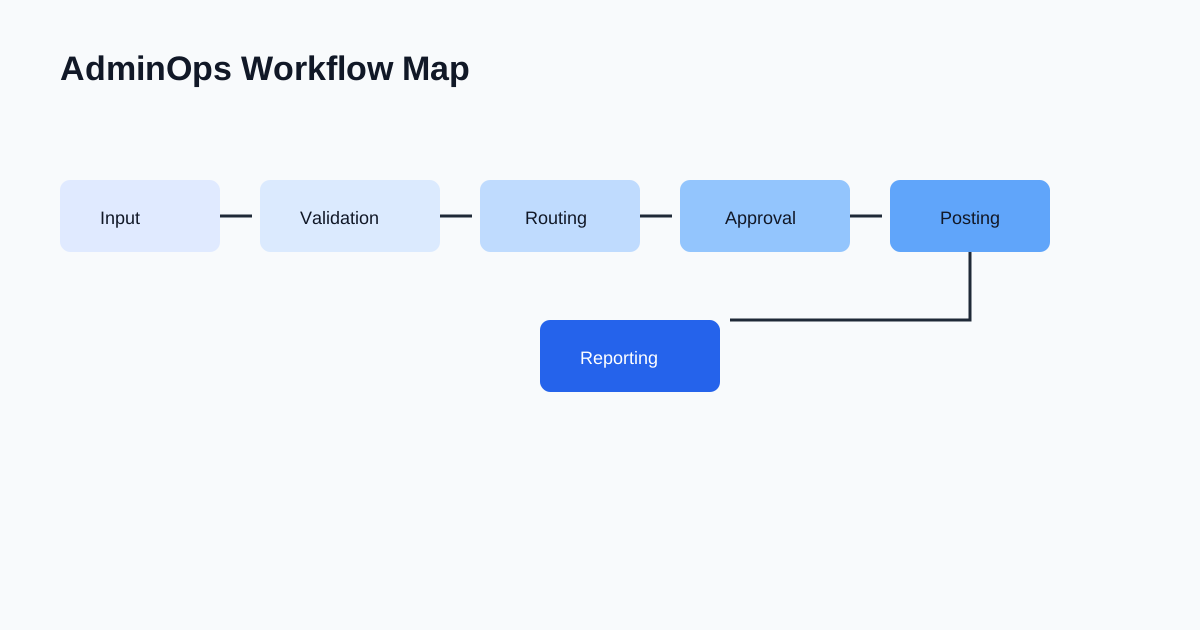
browser automation ai agent for rent reconciliation works best when workflows follow one consistent map: input, validation, routing, approval, posting, and reporting.
Use browser-based collection plus exception-first review to shorten close cycles without removing human control.
- Capture Agent: intake and normalization
- Process Agent: policy checks and routing
- Reconciliation Agent: matching and exception handling
- Reporting Agent: KPI and close visibility
How to implement browser automation ai agent for rent reconciliation
browser automation ai agent for rent reconciliation implementation should start narrow with one high-volume workflow and weekly KPI reviews.
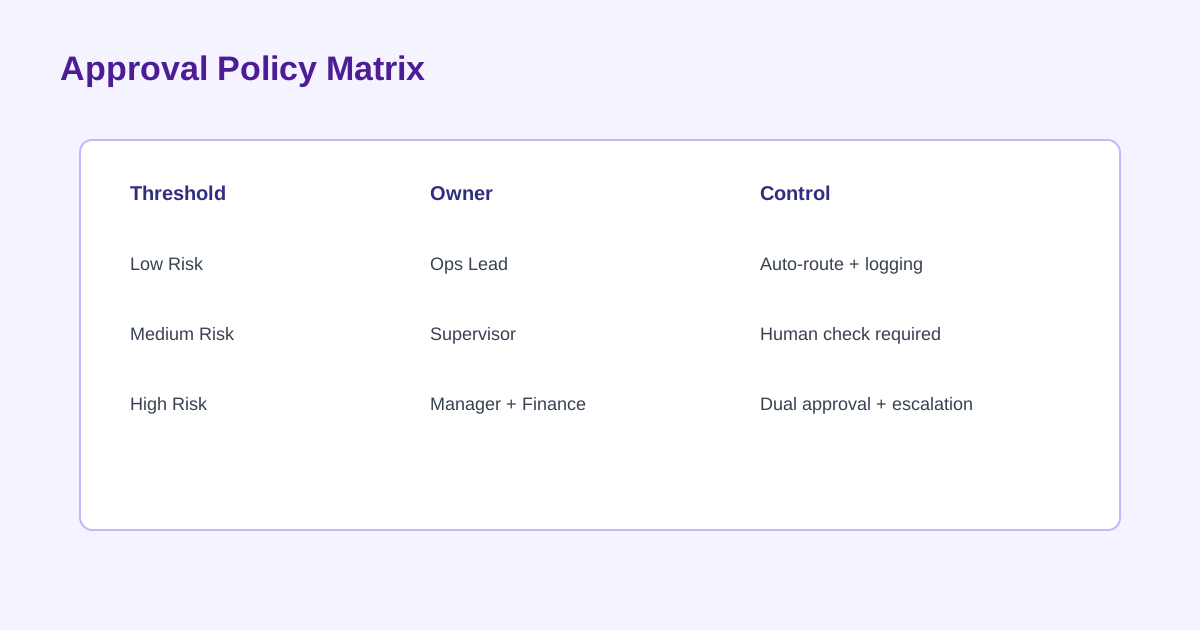
Run supervised automation first, then increase automation depth after exception rates stabilize.
- Step 1: Automate portal data capture
- Step 2: Normalize records into one schema
- Step 3: Run mismatch and duplicate checks
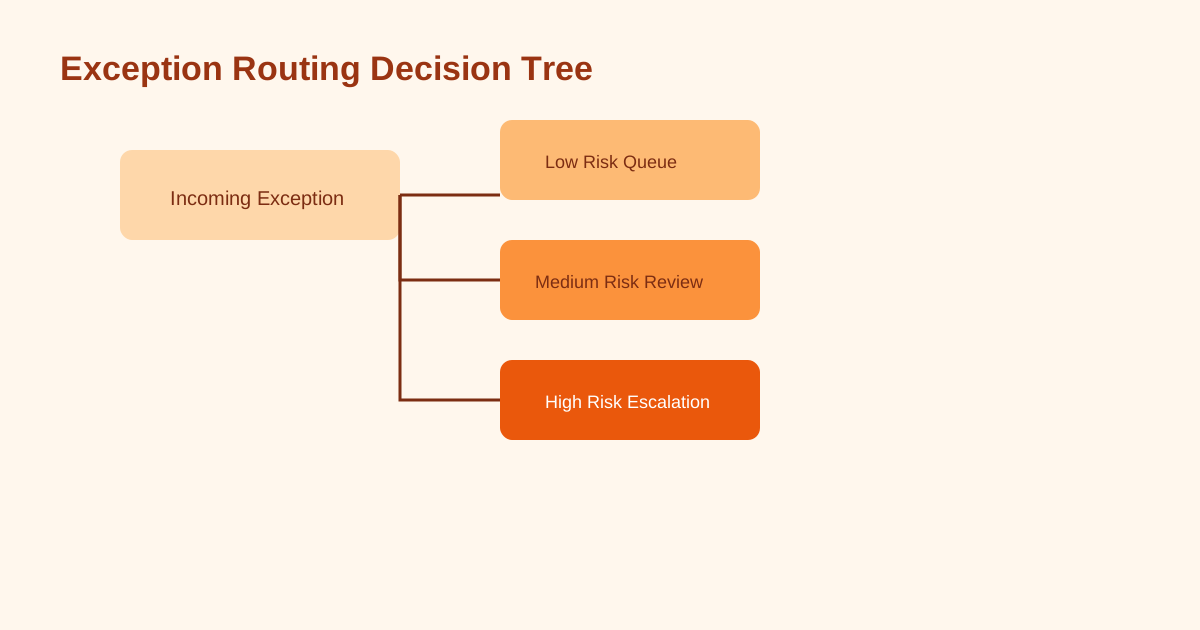
- Step 4: Escalate aged exceptions by severity
- Step 5: Track completion rate and exception recurrence
Manual vs automated: what changes
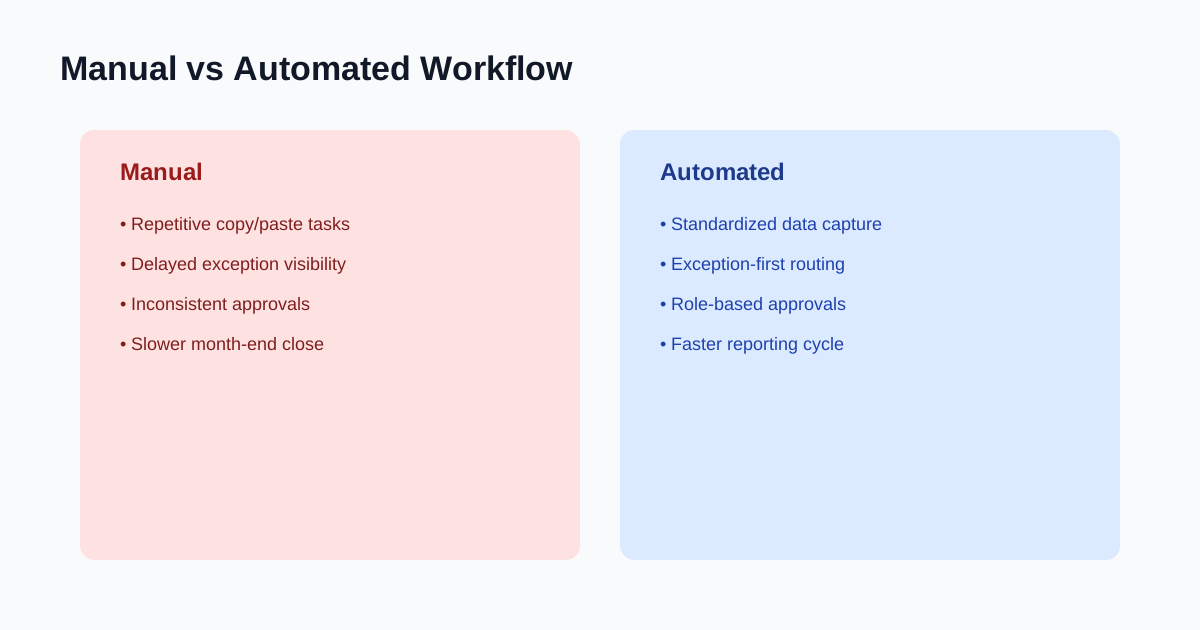
Manual workflows depend on memory, ad-hoc tracking, and fragmented ownership.
Automated workflows standardize rule execution, improve queue visibility, and preserve manager control for high-risk decisions.
- Manual: slow handoffs and inconsistent prioritization
- Automated: SLA-based routing and exception-first triage
- Manual: hidden backlog
- Automated: measurable queue health and cycle-time trends
Internal links to continue your research
Use these pages next to evaluate delivery model, implementation scope, and workflow fit.
Each article should link to two to three core pages to reinforce topical authority and conversion paths.
- Pilot offer: /adminops-pilot
- Property ops service page: /property-management-ai-agents
- Property automation guide: /guides/property-management-automation-guide
FAQ
What is browser automation ai agent for rent reconciliation? browser automation ai agent for rent reconciliation is a structured ops workflow that automates repeatable tasks and routes exceptions for human decisions.
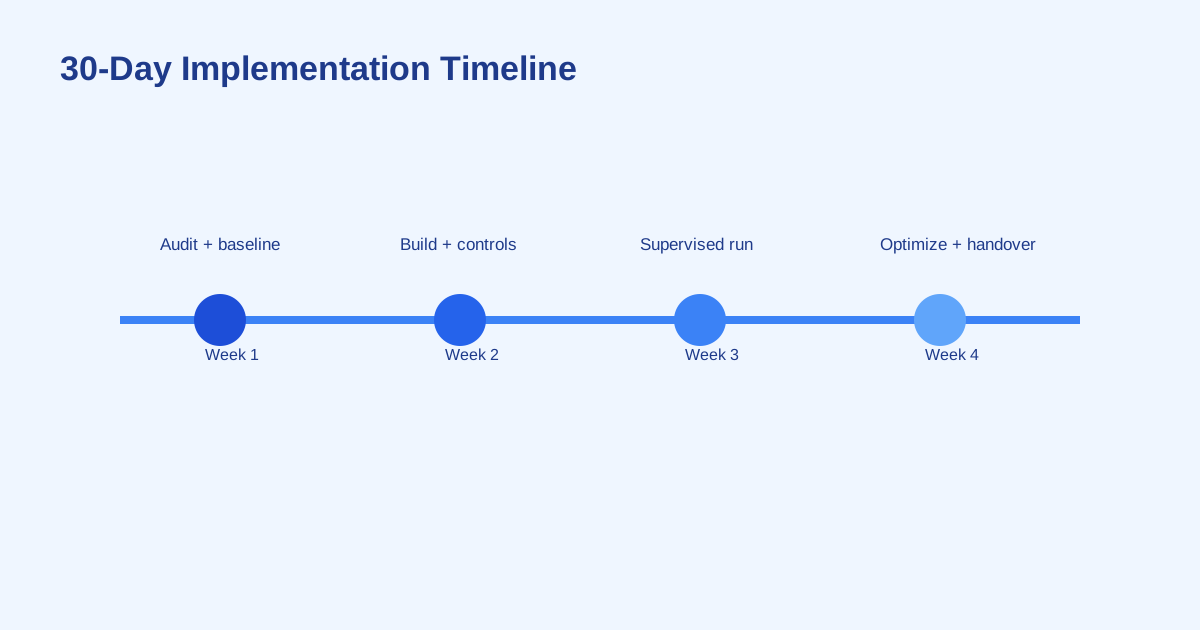
How fast can teams see impact? Most teams can see measurable progress within 30 days on one focused workflow.
Does automation remove manager control? No. Final approvals stay with human owners by policy.
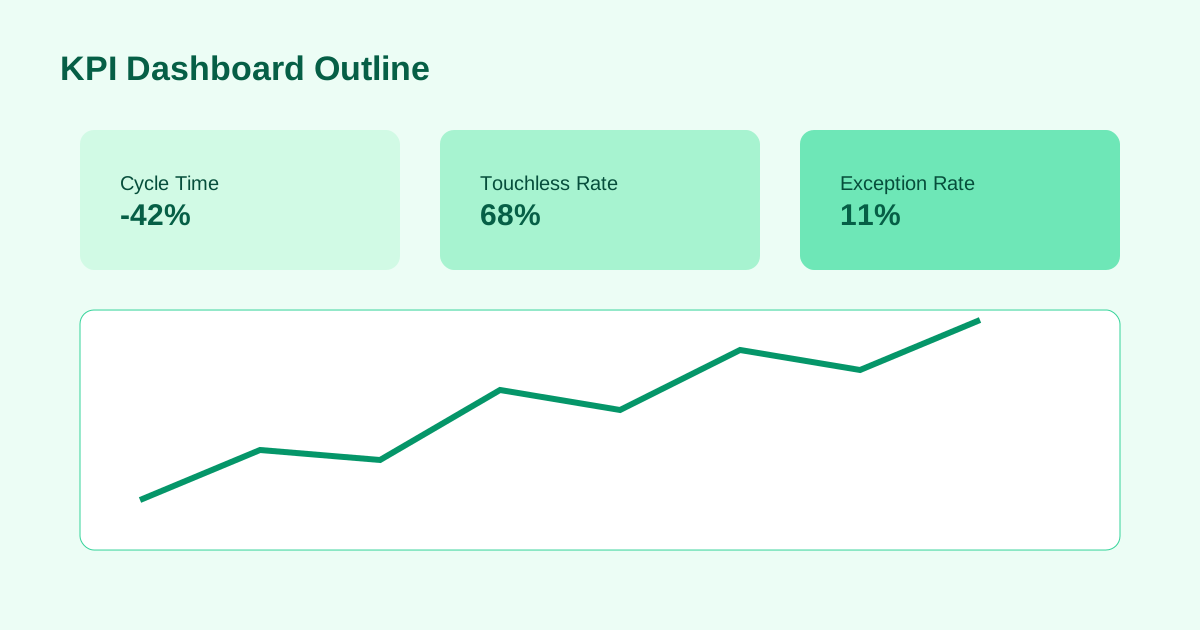
What metrics should we track first? Start with cycle time, touchless rate, and exception rate.
When should we not automate? Do not automate unstable workflows without clear ownership and baseline SOPs.
CTA
Get an AdminOps automation audit for this workflow.
See how an agent stack would handle your current process and exception load.
- Top CTA: Get an AdminOps automation audit / 30-day pilot
- Mid CTA: See how an agent stack would handle this workflow
- End CTA: Book a demo / request a workflow blueprint